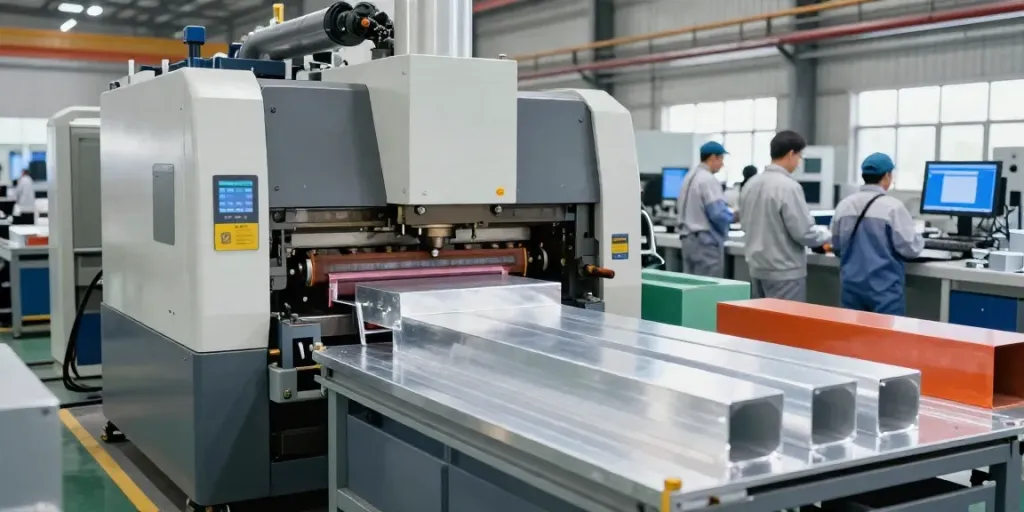
Overview of PremiumAlu's Aluminum Products
As the demand for high-quality aluminum products continues to soar, https://premiumalu.com/ stands at the forefront of the industry, offering a diverse range of aluminum materials to meet various needs. Whether you are a contractor, manufacturer, or DIY enthusiast, understanding the different types of aluminum products can significantly enhance your project outcomes.
Understanding Various Aluminum Alloys
Aluminum alloys are categorized into two primary types: wrought and cast. Wrought alloys are often used in structural applications due to their excellent strength-to-weight ratio and ductility, while cast alloys are utilized for their ability to be formed into intricate shapes. Different alloys possess unique properties that cater to specific applications. For instance:
- 6061 Aluminum: Known for its corrosion resistance and good mechanical properties, making it ideal for structural components.
- 7075 Aluminum: This alloy offers the highest strength amongst aluminum alloys, often used in aerospace applications.
- 5052 Aluminum: Highly resistant to corrosion, particularly in marine environments, suitable for boat construction.
- 2024 Aluminum: Features excellent fatigue resistance suited for aerospace applications but is less corrosion-resistant.
Applications of Custom Aluminum Products
Custom aluminum products from PremiumAlu can cater to a multitude of industries. From construction to automotive parts, the versatility of aluminum is unmatched. Specific applications include:
- Construction: Beams, columns, and frame structures.
- Automotive: Engine components, chassis, and body panels.
- Marine: Hulls, deck fittings, and hardware.
- Consumer Products: Kitchen utensils and sporting goods.
Benefits of Choosing PremiumAlu
Choosing PremiumAlu as your aluminum supplier guarantees several key advantages:
- Quality Assurance: All products are manufactured following ISO 14001:2004 and OHSAS 18001:2007 certifications, ensuring high environmental and occupational health standards.
- Advanced Machinery: The use of extrusion presses, annealing furnaces, and forging machines contributes to the high quality and precision of our products.
- Customization: We offer customized sizes and specifications to meet unique project requirements.
How to Select the Right Aluminum Provider
When it comes to sourcing aluminum products, selecting an appropriate supplier is critical for project success. Start with a checklist to evaluate potential providers.
Evaluating Supplier Certifications and Quality Measures
Look for suppliers who have acquired certifications such as ISO, SGS, and OHSAS, which serve as indicators of a company's commitment to quality and safety standards. A reputable supplier should be licensed, bonded, and insured to ensure that all aspects of their operations meet current legal and industry standards.
Checking for Customer Reviews and Testimonials
Word-of-mouth is invaluable when assessing a supplier's reliability. Seeking reviews and testimonials can provide insights into the experiences of other clients. Look for consistent positive feedback regarding product quality, delivery timelines, and customer service.
Understanding Production Capabilities
Assessing a supplier's production capabilities is crucial. Verify if they have the necessary machinery and technology to produce the specific alloys and products you need. Additionally, inquire about their ability to handle large orders and their flexibility for custom requests.
Pricing Guide for Aluminum Products
Understanding the pricing landscape for aluminum products can help you make informed purchasing decisions. Here’s what to consider.
Cost Breakdown of Different Aluminum Alloys
The price of aluminum varies based on its alloy composition and production methods. Generally, high-strength alloys like 7075 will be more expensive than alloys like 6061. A rough cost guide includes:
- 6061 Aluminum: $2.50 - $3.50 per pound
- 7075 Aluminum: $3.50 - $6.00 per pound
- 5052 Aluminum: $2.75 - $4.50 per pound
- 2024 Aluminum: $3.00 - $5.00 per pound
Factors Affecting Aluminum Pricing
Several factors can influence aluminum pricing, including:
- Global Market Trends: Supply and demand dynamics can drastically affect prices.
- Production Costs: Innovations in production can either increase or lower costs depending on technology.
- Raw Material Availability: Accessibility to raw materials affects overall manufacturing costs.
Understanding Minimum Order Quantities (MOQ)
Many suppliers enforce minimum order quantities based on their manufacturing processes. Knowing the MOQ will help you plan your purchases effectively. For PremiumAlu, the MOQ is low, making it convenient for various sizes of projects.
Maintenance and Usage Tips for Aluminum Products
Maintaining aluminum products is essential for longevity and performance. Here are some best practices.
Best Practices for Caring for Aluminum Materials
Regular cleaning is vital to prevent corrosion. Use gentle soaps and water for routine cleaning, avoiding harsh chemicals that could lead to surface damage. Additionally, applying protective coatings can help maintain the metal's luster and functionality.
Seasonal Tips for Aluminum Usage
In winter months, ensure your aluminum items are protected from snow and ice damage. For outdoor applications, consider applying a sealant to protect against moisture.
DIY vs. Professional Help for Aluminum Projects
Determining whether to DIY or hire a professional depends on the complexity of the project. Smaller, straightforward tasks, such as assembly or minor modifications, can be handled independently, while larger endeavors—like structural installations—benefit from professional expertise.
Common Questions About PremiumAlu Services
Gain clarity on commonly asked questions concerning our offerings.
What is the typical lead time for aluminum orders?
Lead times can vary based on order volume and customization. Generally, expect 4-6 weeks for standard orders. Custom orders may require longer processing times.
What certifications do PremiumAlu products hold?
All products are certified under ISO 14001:2004 for environmental management and OHSAS 18001:2007 for occupational health and safety compliance, ensuring excellence in quality and safety standards.
Where to find customer testimonials and experiences?
Customer testimonials can be found on our website, showcasing previous successful projects and client satisfaction rates.